

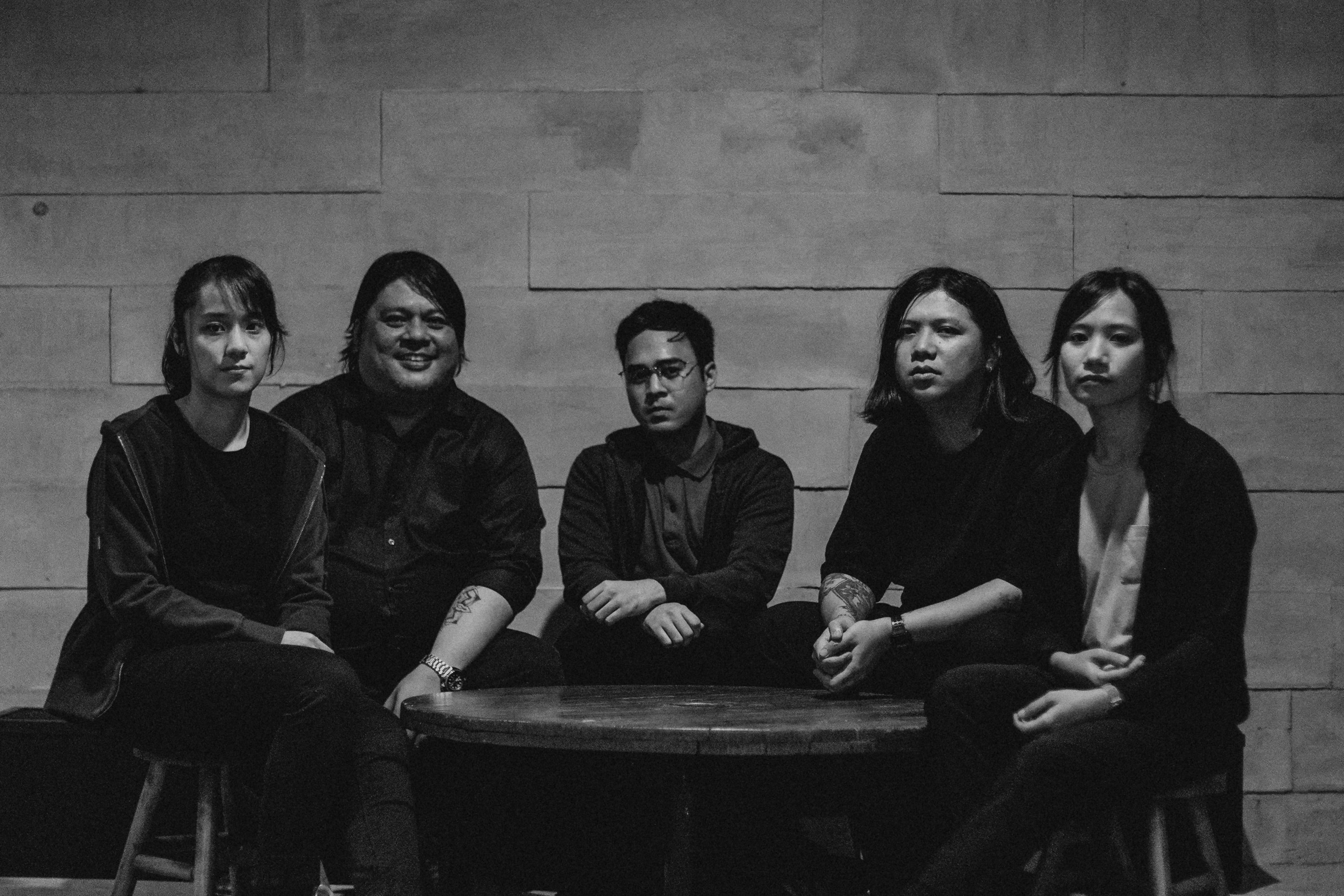
Meet Megumi Acorda
There is something deeply intimate about Megumi Acorda’s music. Even when the guitars become dense and overwhelming, there is often a sense of vulnerability underneath. A quality that makes the music feel less like an exercise in atmosphere and more like an attempt to articulate something difficult to put into words.
For Megumi, that is quite literally where the songwriting begins. Rather than starting with a particular genre or sound, songs begin with an attempt to express something that words alone cannot quite capture: an emotion, or more specifically, a realization.
That approach can be heard throughout Silver Fairy (2023), an album written during the pandemic era. Looking back at the record now, Megumi hears the production and arrangement choices differently, but also recognizes something that has remained unchanged: the collective heaviness of that period, and perhaps a sense of hope that she still carries today.
Her relationship with nostalgia is similarly instinctive. The feeling was never something she consciously set out to create. Instead, certain chords, melodies, and influences naturally brought with them a sense of longing — for something in the past, or perhaps something that could never happen again.
As part of Noise from the SEA, we spoke with Megumi about vulnerability, nostalgia, Silver Fairy, the limitations of genre labels, and the connections she hopes to find across Southeast Asia.
The Interview
NoiseWire: I’ve found something very intimate about Megumi Acorda’s music. Even when the guitars become dense and overwhelming, there’s still a sense of vulnerability underneath. When you’re writing a song, do you usually start from an emotion, a story, or a sound?
Megumi Acorda: Thank you, it’s nice to know that the intimacy comes through. I would say it all starts with attempting to express something that I couldn’t with only words, so the closest to that would be an emotion, or more specifically, a realisation.
NoiseWire: Your music often feels nostalgic without necessarily belonging to a particular period of time. What does “nostalgia” mean to you, and do you consciously try to capture that feeling in your music?
Megumi Acorda: Trying to capture a nostalgic feeling wasn’t a conscious choice, but the chords and melodies were. I do use elements from songs and artists I have a deep affinity for, and they happen to provoke that feeling of longing for something in the past or something that would probably never happen again.
When writing songs, I tend to revisit the past with the lens of someone much older, wiser, and maybe kinder too. That also might be why our music feels nostalgic.
NoiseWire: When you look back at Silver Fairy now, what feels different about the album compared to when you were making it? Is there anything about it that you understand differently today?
Megumi Acorda: Honestly, when I listen to Silver Fairy songs now, the first things I notice are the changes I want to make if we were re-recording it today. I hear several arrangement and production-related mistakes!
But going back, those songs were written during the pandemic era, and the album still reminds me of the collective heaviness. Since it wasn’t too long ago — even though it feels like it is — the feelings remain the same, which tells me I might still be the hopeful person I was before.
NoiseWire: There’s often a tension in shoegaze between creating something emotionally direct and hiding behind layers of sound. Where do you think Megumi Acorda sits between those two things?
Megumi Acorda: Oh, I didn’t realize that about shoegaze! But I think the two aren’t mutually exclusive. Because music is a language in itself, sometimes the layers of sound reveal vulnerability.
For our music, I would like to think that nothing is hidden; every word and every note shows the intent.
NoiseWire: What is something about Megumi Acorda that you think listeners might misunderstand if they only recognize the band through the “shoegaze” or “dream-pop” label?
Megumi Acorda: If there’s a message an artist would like to get across and it somehow gets mixed up or lost before reaching the intended audience, then for me, that is a misunderstanding.
However, in our case, there’s neither a message nor an intended audience, so whoever the songs reach is free to have whatever relationship they want with the music.
NoiseWire: Shoegaze and dream-pop have become increasingly visible across Southeast Asia in recent years. From your perspective, what feels distinctive about the Filipino alternative scene compared to scenes elsewhere in the region?
Megumi Acorda: We share themes with our SEA neighbors, and they inspire me! I don’t know if I have the right words to explain what makes the Filipino alternative music distinctly Filipino, but to me, it’s much like the Filipinos: it’s warm, hopeful, incredibly protective, but also open.
NoiseWire: SEA music scenes can sometimes feel geographically close but culturally quite disconnected. Have you found any unexpected connections with listeners or musicians from elsewhere in the region? What would you like to see happen in terms of collaboration and exchange going forward?
Megumi Acorda: Sadly, we haven’t played any SEA countries besides Singapore, so we haven’t had many chances to connect.
We thoroughly enjoyed hanging out with bands who played in Singapore with us. Food is apparently another thing we all love and take seriously.
I’m really looking forward to meeting more music SEA-blings in the future! It’s always nice to be surrounded by like-minded people.
NoiseWire: The Philippines has such a strong culture of music discovery within independent music. What are some artists, venues, collectives, or moments from the local scene that you think deserve more attention outside the Philippines?
Megumi Acorda: I agree, and the internet played a huge part. But I’m not sure I’m comfortable with judging who deserves more attention! Hahaha.
I’ll share my current favorites instead:
Artists: Goon Lagoon, emma bot
Venues: Chapterhouse (Quezon City), Apartment 1 (Cagayan de Oro)
Collective: Manila Community Radio (MCR)
NoiseWire: What are you currently listening to when you’re not making music? Maybe something you’d put on late at night, on a long commute, or when you simply want to disappear into a record.
Megumi Acorda: For a long time now, the artists I listen to haven’t changed much. Here are some of them: The Radio Dept. when on the road, Chopin when I can’t sleep, Belinda May when I need a nice pick-me-up, and the Sonic R Original Soundtrack when I’m forcing myself to be in work mode.
NoiseWire: Is there one other SEA band or artist you think is underrated right now and you’d want more people outside your country to hear?
Megumi Acorda: They’re probably not that underrated, especially in SEA, but I flew out to watch a YONLAPA (Thailand) concert once, and it’s super worth it! I hope their music reaches more people outside of Asia.
Listen / Discover
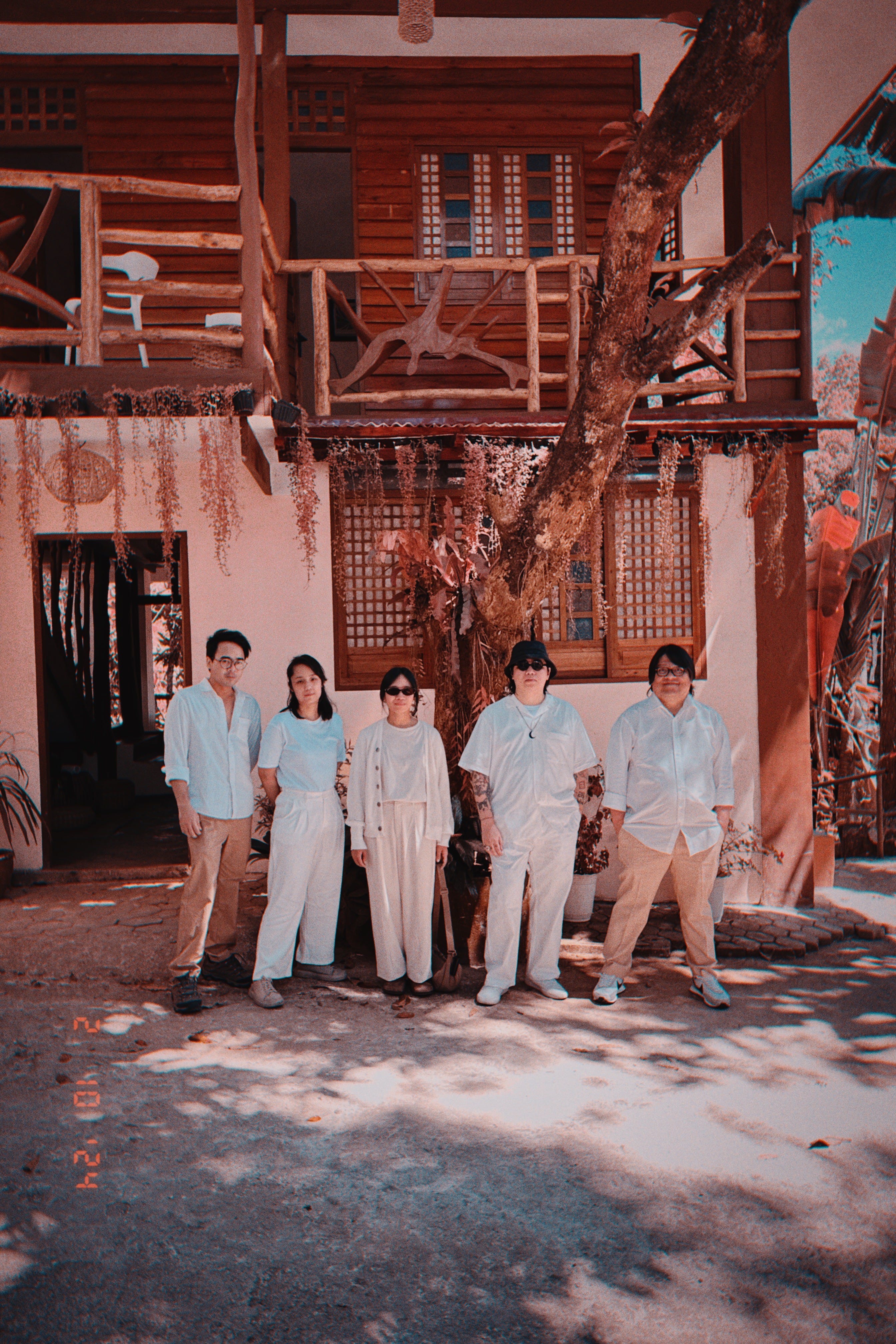
Megumi Acorda
Philippines
Band Members:
Megumi Acorda – Vocals, Guitar
Evee Simon – Guitar, Vocals
Kevin Ingco – Guitar
Bijan Gorospe – Bass
Jerros Dolino – Drums
Noise from the SEA is a conversation series exploring Southeast Asia through the people making its independent music. One scene, language, place, and perspective at a time.